 Are Metal Tier Upgrades Worth The Heavy Upfront Crypto Card Cost
  Direct Collaboration Benefits Between Engineers And Steel Fabricators
  How Energy-Efficient Are Modern Home Elevators?
  The Complete Guide to Calculating the USDT to AED Rate
  The Storage Company Red Flags Every Renter Should Know
  Reverse Osmosis Vs. UV Filters: Which One Wins The Clean Water War?
  The Importance Of Quality In Skin Ceuticals C E Furlic
  Why Real Estate Developers Focus On Lifestyle And Convenience
  Tips To Book An Appointment With A Notary Public Without Stress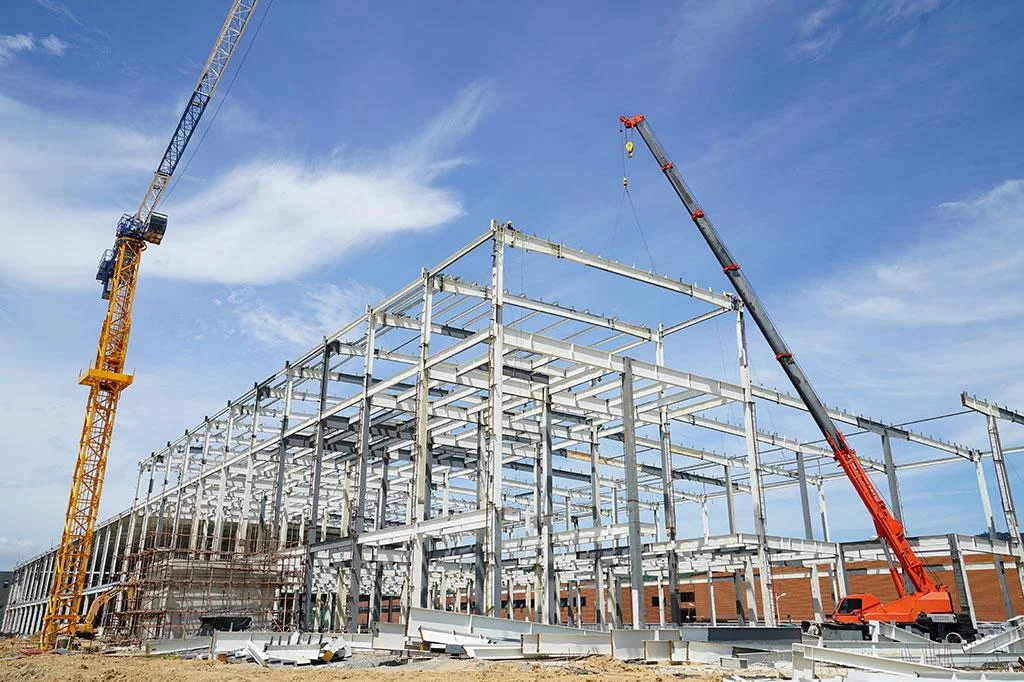
Strong teamwork between engineers and steel fabricators keeps construction projects organized, accurate, and efficient. Engineers bring design knowledge, while fabricators bring hands-on shop-floor experience. When both teams communicate early, they spot issues sooner, improve drawings, and reduce costly changes during production.
This close connection gives every project a stronger foundation, with steel fabrication guiding the work from design details to finished components.
Clearer communication from the start
Direct communication helps engineers explain design goals in simple terms. Fabricators can ask questions about dimensions, connections, material grades, and assembly details before production begins. This open exchange reduces confusion and gives both teams the same project information. Regular discussions also help teams respond quickly when a design detail raises concerns. Instead of waiting for problems to appear during fabrication, engineers and fabricators discuss practical solutions while the drawings remain flexible.
Better designs for real production
Engineers focus on structural strength, safety, and performance. Fabricators understand how machines, tools, workers, and materials interact inside a fabrication shop. Combining these views helps engineers develop designs that work well in actual production. Fabricators can suggest adjustments to joint details, plate sizes, cutting patterns, or connection methods. Engineers then review those suggestions and select options that support the project requirements. This teamwork helps produce practical designs without sacrificing structural standards.
Fewer errors and costly changes
Design mistakes can cause delays, material waste, and extra labor. Direct collaboration gives both teams opportunities to review important details before fabrication starts. Engineers can discuss drawings with fabricators and receive useful feedback based on shop conditions. Fabricators can highlight details that may cause cutting, drilling, welding, or assembly problems. Early corrections keep production moving and reduce the chance of expensive revisions.
Faster production decisions
Fabrication projects involve countless small decisions. Quick communication helps teams settle these matters without long delays. Engineers can answer technical questions, while fabricators can provide immediate updates from production. This exchange also helps project managers maintain clearer schedules. When teams share information quickly, workers spend less time waiting for approvals or revised instructions.
Stronger quality control
Quality improves when engineers and fabricators share responsibility for project details. Engineers review structural requirements, while fabricators check dimensions, welds, cuts, holes, and connections during production. Shared inspections also give both groups a clearer view of finished components. They can identify small issues early and correct them before components reach the job site.