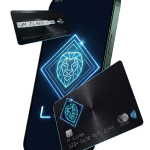
 Are Metal Tier Upgrades Worth The Heavy Upfront Crypto Card Cost
 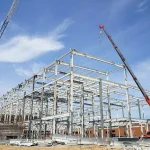 Direct Collaboration Benefits Between Engineers And Steel Fabricators
  How Energy-Efficient Are Modern Home Elevators?
  The Complete Guide to Calculating the USDT to AED Rate
  The Storage Company Red Flags Every Renter Should Know
  Reverse Osmosis Vs. UV Filters: Which One Wins The Clean Water War?
  The Importance Of Quality In Skin Ceuticals C E Furlic
 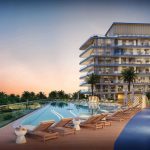 Why Real Estate Developers Focus On Lifestyle And Convenience
  Tips To Book An Appointment With A Notary Public Without Stress
The menu feels simple. The prices look fair. But at the end of the meal, your bill is higher than you expected without you adding an extra drink or dessert. Restaurants use small tricks, built on how our eyes and minds work, to guide every choice. These moves are quiet but powerful.
Let’s pull back the curtain, starting with a stop at a restaurant Marina, where the game of ordering begins before you say a word.
The power of anchor pricing:
Menus display expensive items near the top to make other dishes appear cheap. When guests spot a high cost, they perceive lower prices as bargains. This trick shifts focus toward mid-range options, which actually carry higher margins. Guests choose these middle items believing they picked a deal, yet this behavior aligns perfectly with profit goals.
Menu item placement:
Diners scan pages in specific patterns. Items located at the top right corner catch attention immediately. Designers reserve these spots for profitable foods they want sold quickly. Eyes dart toward these highlighted sections first, leading guests to select high-margin meals instead of cheaper alternatives.
Descriptive language:
Words carry weight when describing food. Phrases painting pictures of texture and origin change how guests perceive value. Calling an item “slow-cooked” or “hand-harvested” makes it appear superior to standard options. These adjectives trigger appetite responses, making plates seem worth extra money regardless of actual ingredient quality.
Music and lighting tricks:
Volume dictates how fast guests eat. Soft, slow tunes encourage lingering, which results in extra drink orders. Fast tempos push guests to eat quickly, clearing tables for new arrivals. Warm, dim lights create a cozy mood, relaxing defenses and causing patrons to order dessert or another round of drinks they did not originally plan to consume.
Limited options create focus:
Too many choices cause confusion. Smaller menus simplify the decision process, making it easier for guests to pick. When faced with fewer items, guests decide faster and show higher satisfaction. This method reduces hesitation, ensuring guests fill their plates with items that require less prep time for the kitchen.
The visual impact of colors:
Colors change moods and appetite levels. Red and yellow combinations grab attention and stimulate hunger. These bright shades appear on logos and menu borders to trigger a need for immediate consumption. Calming blues or greens encourage slower eating. Designers use specific palettes to guide physical responses, steering diners toward spending behaviors that help the establishment grow.